




*** Red Side Only ***
Scenesetter: (Taken from “The BRICS Conflict – A Brief History of the Third World War (2016 to 2018)”)
Historians argue about the affect the claims dispute over the Arctic region had in the conflagration that became known as the BRICS Conflict.
As Europe’s economy melted down in the early years of the 21st century’s second decade, Russia established itself as one of the dominant economic powers in the Northern Hemisphere. In 2011, the International Monetary Fund ranked Russia as having the fifteenth strongest economy (based on its net international investment position (NIIP)). As the financial futures of Germany, Belgium, Netherlands and Denmark plummeted in the crash of 2012; Russia’s ranking rose on the back of it’s petroleum revenues, al low, fixed domestic income tax and global arms sales. In a strategic move, Russia offered to bail out Denmark by paying off its entire national debt – in exchange for its claims on Greenland – an offer it couldn’t refuse.
The move caused uproar in the UN with other Arctic region claimants (particularly Norway, Canada and the US). On the floor of the General Assembly President Vladimir Putin addressed the global political organization, making the solemn promise of keeping the region de-militarized (something NATO didn’t do during the Cold War). Additionally, travel along the Northwest would remain open and free.
With the assembly’s approval of Russia’s acquisition, the largest land deal in recent memory occurred and the opening moves of the coming global war occurred.
Russian Naval Headquarters in St. Petersburg:
Fleet Admiral Mikhail Stanislav Petrovskiy was up very late, going over planning for the upcoming operation. “Misha,” the admiral thought to himself, “You can’t keep doing this.” He glanced at the clock – 0200 and out the window of his office. Although the White Night celebration was three weeks ago, there was still a considerable amount of light outside, at time of year.
He picked up the intelligence reports again and cursed out loud, “Idiotic Venezuelans! What does Brazil thinks it’s doing down there!” He rubbed the stubble on his chin as he thought. The attack by Venezuela’s Navy on the forces of the US Navy and the Colombian fleet had occurred almost three weeks ago – about the same time as White Night. “Funny,” the admiral thought, “It’s interesting how things occur.”
The Venezuelans were supposed to wait until the first shipments of Club-M multi-purpose missiles were delivered and placed, before launching their strike. However, authorities at higher levels must have thought differently. Because of this small change in plans, Misha was ordered to move up the schedule on Operation: Northern Moves, the BRICS bid for power in the northern reaches.
Misha smiled to himself. The plan was challenging, yet beautiful and he said out loud, “Fortune favors the bold.” He didn’t know who had coined the phrase, but when he heard it years ago in Washington, DC as Naval Attaché, he loved it. It was Football, in a soccer world. He had fallen in love with the American’s sports pastime and the embassy proved excellent seat. The beer left something to be desired, but the cheerleaders on the sidelines were quite another thing! Soccer clubs could learn a thing or two from the Americans there! As he studied the sport, he saw in the various moves and plays, applications that could be applied to naval warfare. He had used his love of the sport, in planning this operation.
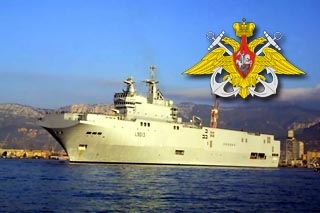
A two-pronged and preceded by a feint to catch the opposing team off guard, then the Hail Mary pass! As he rubbed his chin, he knew the Baltic was going to be the difficult part. The Scandinavians and the breakaway republics had screamed like stuck pigs over the Mistrals. He knew there would be hell to pay, getting them into open territory for a run to the north.
He knew great rewards are never cheap. Yes, Fortune was a fickle lover and she always spurned the weak at heart. With that, he picked up his pen to begin drafting the operations order.